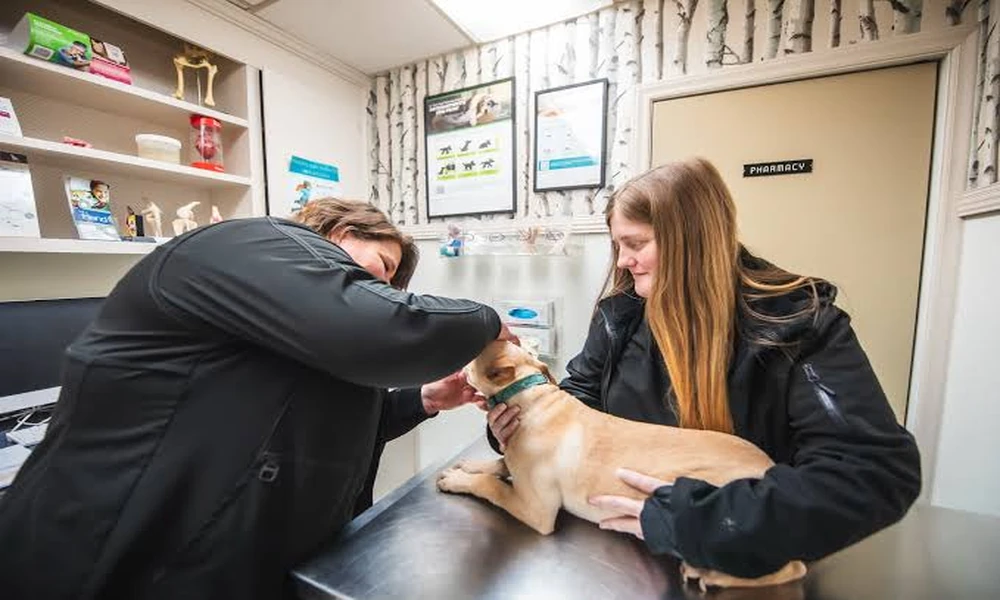
You can do almost everything right for your pet and still feel unsure at mealtime. One bag says “complete and balanced.” Another promises weight control, joint support, or a shinier coat. Then your dog gains weight, your cat stops eating well, or lab work shows a new health issue, and suddenly food does not feel simple anymore. If you need guidance, a vet clinic in Oakville can help you make sense of your pet’s nutrition options.
That is where the importance of nutrition counseling in veterinary hospitals becomes clear. Food is not a side topic. It affects weight, digestion, skin, energy, recovery, and long term disease management. Good nutrition advice helps you sort through marketing, match a diet to your pet’s actual needs, and avoid mistakes that can cost money and health later.
Veterinary nutrition counseling connects food choices to real medical care
Pets do not stay the same from puppy or kitten years into adulthood and senior life. A food that worked two years ago may not fit now. Neutering, lower activity, allergies, dental disease, kidney problems, diabetes, and arthritis all change what your pet needs in the bowl.
In a veterinary hospital, nutrition counseling is tied to the full picture. Your pet’s weight, body condition, muscle mass, lab results, medications, age, breed, and health history all matter. That is different from choosing a diet based on a label or a social media recommendation. A hospital team can spot patterns you may not see at home, like gradual weight gain, muscle loss hidden under body fat, or stomach upset linked to treats and table food.
Pet nutrition guidance also helps when the problem is not obvious. A pet can look “a little chunky” and still be at higher risk for joint strain, breathing trouble, diabetes, and shorter lifespan. A pet that seems picky may actually have nausea, dental pain, or a diet that does not suit a medical condition. Food choices often carry medical consequences, even when the first sign looks small.
Nutrition mistakes often start with good intentions
Most feeding problems do not come from neglect. They come from love. You want your pet to enjoy meals, so portions get loose. You want to give healthier treats, so extras pile up through the day. You hear that grain free, raw, homemade, or boutique diets are better, and the message sounds caring and informed. Then the pet in front of you is dealing with diarrhea, obesity, pancreatitis, urinary issues, or nutrient gaps.
Homemade diets are a common example. They can work in some cases, but only when they are properly formulated. Guesswork creates risk. Pets need the right balance of protein, fat, minerals, vitamins, and calories. Too much or too little calcium, phosphorus, copper, iodine, or taurine can cause real harm over time. The WSAVA Global Nutrition Guidelines explain what to look for when evaluating pet foods and why evidence based feeding decisions matter.
Weight management creates another quiet problem. A few extra pounds may not seem urgent, but weight gain usually happens slowly, and that is why it slips by. Then your dog starts slowing down on walks, or your cat has trouble grooming and jumping. At that stage, “just feed a little less” often fails because the plan needs structure. Calorie targets, treat limits, feeding schedules, and follow up weigh ins make the difference.
Professional nutrition support reduces guesswork and helps control costs
People often worry that nutrition counseling adds one more expense. In reality, poor feeding choices can cost more. Trial and error with multiple diets, repeated digestive flare ups, obesity related disease, and unmanaged chronic conditions all add up. A feeding plan built inside a veterinary hospital nutrition counseling visit can prevent waste and help you spend money where it actually helps.
If your pet has a medical condition, diet may be part of treatment, not an optional add on. Kidney disease, urinary stones, diabetes, food allergies, heart disease, and gastrointestinal disorders often improve when nutrition is handled correctly. Tufts Veterinary Nutrition offers useful online tools and resources for pet nutrition that show how nuanced these decisions can be.
That is why veterinary dietary counseling matters. It turns food from a source of confusion into a care plan with a clear purpose.
DIY feeding decisions and veterinary nutrition counseling produce very different outcomes
| Approach | What It Usually Relies On | Common Risks | Likely Benefit |
|---|---|---|---|
| DIY diet choice | Marketing claims, online reviews, advice from friends, trial and error | Overfeeding, poor nutrient balance, wrong diet for medical issues, wasted money on frequent switches | Convenience at first |
| Homemade diet without formulation | Recipes found online or personal preference | Nutrient deficiencies or excesses, unsafe ingredients, poor calorie control | Feels more natural or personal |
| Veterinary nutrition counseling | Medical history, exam findings, weight trends, diagnostics, evidence based diet review | Requires follow through and monitoring | Diet matched to health needs, clearer goals, better long term management |
Small feeding changes work better when they are specific
General advice rarely sticks because daily life gets in the way. If two people in the house feed the pet, portions drift. If treats are used for training, calories climb fast. If a cat shares food in a multi pet home, no one really knows who ate what. A nutrition plan needs to fit your routine, not an ideal version of it.
Track everything your pet eats for three days. Write down meals, treats, chews, toppers, supplements, and table scraps. Most people are surprised by how much “extra” food appears once it is all in one place.
Ask for a body condition and calorie review. The number on the scale matters, but body condition and muscle mass matter too. Your veterinary team can tell you whether your pet is overweight, underfed, or losing muscle despite stable weight.
Make one feeding plan and share it with everyone in the home. Use a measured portion, a treat limit, and a set schedule. If your pet has a health condition, ask whether a therapeutic diet, prescription food, or custom plan is the right next step.
Better nutrition counseling in a veterinary hospital gives you a clearer path forward
You do not need to figure out every label, trend, or feeding rule on your own. The right plan is not the most fashionable one. It is the one that fits your pet’s body, health, and daily life. When food supports medical care instead of working against it, pets feel better and owners feel less stuck.
If your pet’s weight, appetite, digestion, or health has changed, ask your veterinary hospital about nutrition counseling. A focused conversation now can prevent bigger problems later and give you a feeding plan you can trust.
