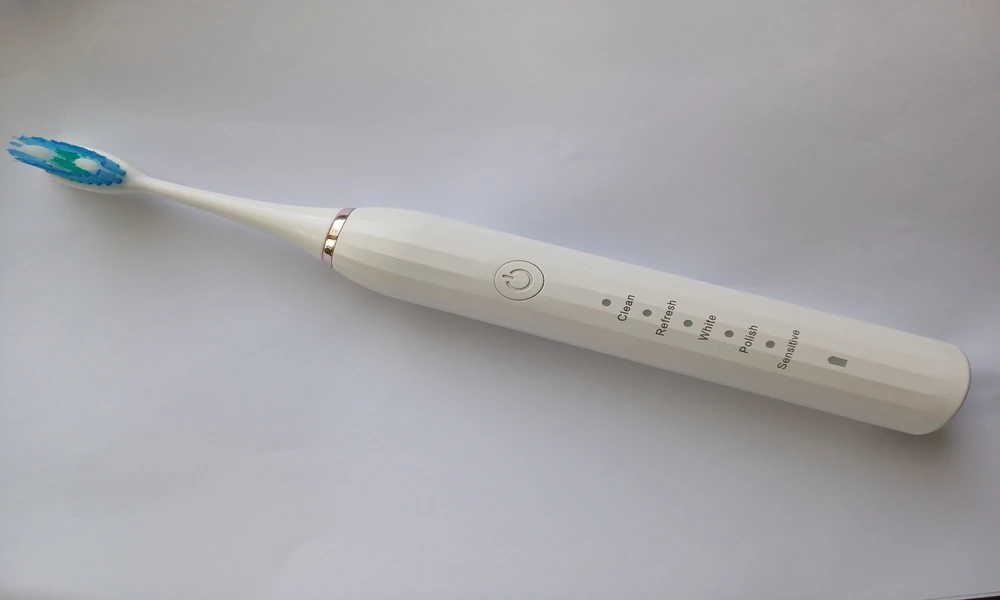
You stand in the toothbrush aisle or scroll through page after page online, and suddenly a simple purchase feels oddly complicated. One brush says it is made for kids, another promises gum care, another has five cleaning modes you may never use, and if you are buying for a whole family, the choices multiply fast. A preschooler does not need the same brush as a teenager, and an older adult may need something very different from both. That is the core issue. As any dentist in Waldorf, Maryland would agree, the best electric toothbrush is the one that fits the age, comfort, grip, and brushing habits of the person using it.
If you are comparing options for children, adults, and older family members at once, the smartest approach is to focus on a few features that actually affect daily use. Brush head size, bristle softness, handle design, timer settings, and power level tell you more than flashy packaging. A good electric toothbrush for kids and adults should make brushing easier, not turn it into another thing to manage.
Age changes what an electric toothbrush needs to do
What works well for a healthy adult can feel too strong, too bulky, or too hard to control for someone else. A child may resist brushing because the brush head feels large or the vibration feels strange. A teen with braces may need better plaque removal around brackets. An older adult with arthritis may care less about extra modes and more about an easy grip and a simple on button.
That is where people often get stuck. They buy based on price or brand recognition, then the brush ends up unused in a drawer. The problem is rarely that the toothbrush is bad. It is usually a mismatch between the brush and the person.
For children, oral care habits are still forming, and the basics matter most. The CDC shares practical oral health tips for children that reinforce daily brushing with fluoride toothpaste and age-appropriate support. An electric toothbrush can help, but only if it feels manageable and safe in a child’s hand.
These five electric toothbrush features matter most across age groups
1. Brush head size
Smaller heads fit small mouths better and help reach back teeth without discomfort. For young children, a compact head is often the difference between cooperation and refusal. Teens and adults can usually handle standard sizes, though people with a small mouth or crowding may still prefer a smaller head.
2. Bristle softness
Soft bristles are the safer default for nearly every age. Harder bristles do not clean better. They can irritate gums and wear enamel, especially if someone already brushes with too much pressure. The National Institute of Dental and Craniofacial Research offers solid guidance on oral hygiene, including brushing gently with a soft-bristled brush.
3. Handle grip and weight
This gets overlooked, yet it affects whether the brush is easy to use twice a day. Children need a handle they can hold without slipping. Older adults with reduced hand strength often do better with a thicker, lighter handle. If the brush feels awkward, brushing time tends to get shorter and less effective.
4. Built in timer and pacing alerts
A two-minute timer helps every age group. Pacing alerts, which signal when to move to another part of the mouth, are especially helpful for kids learning technique and adults who tend to rush. Many people think they brush long enough, then find out they stop at 45 seconds.
5. Power settings or sensitive modes
More power is not always better. Some users love a strong clean. Others find it uncomfortable and stop using the brush after a week. Sensitive modes are useful for children moving up from manual brushing, people with gum irritation, and older adults with recession or dry mouth concerns. The National Institute on Aging explains more about taking care of your teeth and mouth, including issues that become more common with age.
Comparing electric toothbrush features by age makes shopping easier
| Feature | Young Children | Teens and Adults | Older Adults |
|---|---|---|---|
| Brush head size | Extra small for comfort and control | Standard or compact based on mouth size | Compact if mouth opening is limited |
| Bristle type | Soft only | Soft or extra soft for most users | Extra soft if gums are tender or receding |
| Handle design | Non-slip, easy to grip | Balanced weight, comfortable hold | Thicker handle, lighter body, simple buttons |
| Timer features | Two-minute timer with pacing cues | Two-minute timer, quadrant pacing helpful | Simple timer, clear vibration or sound cue |
| Power settings | Gentle or sensitive mode | Multiple modes based on preference | Sensitive mode often best |
When you compare brushes this way, the marketing noise fades. You start seeing what actually supports brushing habits. A child benefits from comfort and coaching features. An adult may want efficiency and plaque control. An older adult may need ease of handling more than anything else. That is the practical side of choosing the best electric toothbrush features by age.
Simple steps help you choose the right family toothbrush option
Check the user before the product. Look at the person’s mouth size, dexterity, gum sensitivity, and brushing habits first. If someone avoids brushing because a brush feels harsh or clumsy, no premium feature will fix that.
Choose soft bristles and a timer as your baseline. For most families, these two features are the safest place to start. They support better technique without making brushing feel complicated.
Test for comfort in the first week. If the brush feels too strong, too heavy, or too large, switch early. The right electric toothbrush comparison is not just about specs. It is about whether someone will actually use it every day.
Choosing a family dentist can help you match tools to real oral health needs
There is some relief in knowing you do not need the fanciest brush on the shelf. You need one that fits the age and needs of the person holding it. Small head, soft bristles, easy grip, timer, and the right power setting cover most of what matters. That is true whether you are shopping for a first brush, replacing your own, or helping an older parent find something easier to manage.
If you are unsure which option makes sense for your household, a general dentist or family dentist can help you compare choices based on real oral health needs, not packaging claims.
