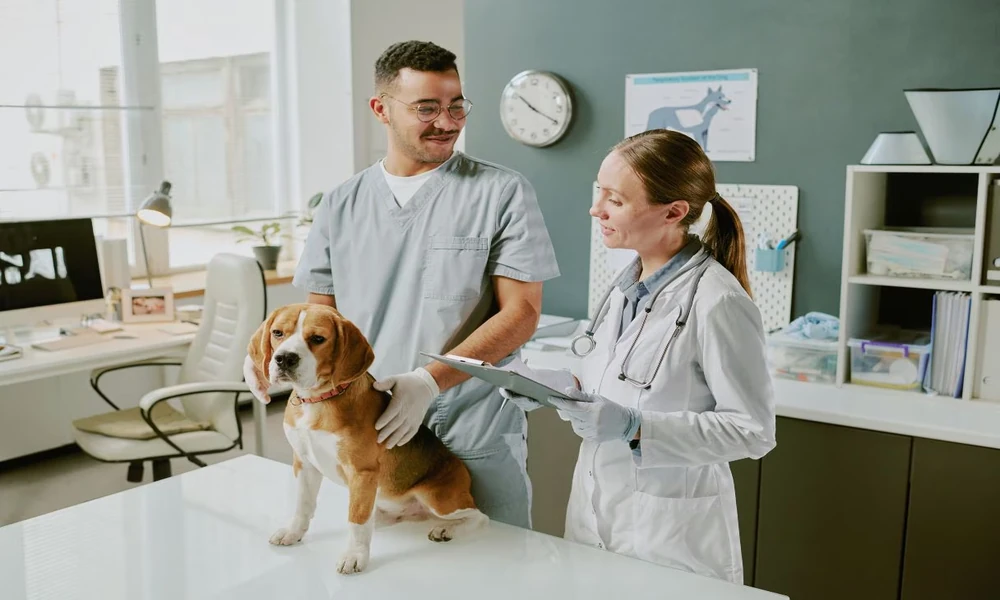
You know the feeling when a case stops being routine. A pet comes in with symptoms that do not line up cleanly, the first treatment does not solve the problem, or the diagnosis points to a condition that needs advanced imaging, surgery, oncology, cardiology, or neurology at an animal hospital in Oakville, ON. At that point, you are not just treating a patient. You are helping a worried family make sense of fear, cost, time, and hard decisions. That is where strong teamwork matters most.
How veterinarians partner with specialists for complex care comes down to one thing. The general veterinarian stays at the center of the pet’s care while bringing in focused expertise when the case calls for it. That partnership helps pets get deeper diagnostics and treatment options without losing the doctor who knows their history, habits, and family best.
General veterinarians and specialists solve different parts of the same problem
A general veterinarian handles prevention, routine illness, chronic disease management, and the first response when something changes. A specialist steps in when a case needs advanced training, equipment, or procedures that are not part of everyday primary care. That can mean an internal medicine consult for unexplained weight loss, a surgical referral for a mass, or a cardiology workup for a new murmur with fainting spells.
The stress for pet owners is real because referral can sound like something has gone very wrong. Sometimes it has. Sometimes it simply means the next step needs more precision. A dog with seizures may need an MRI and a neurologist. A cat with nasal disease may need rhinoscopy and biopsy. A pet with cancer may need staging, radiation planning, or chemotherapy support. Referral is not a handoff in the sense people fear. It is coordinated care.
This is why veterinary specialist collaboration matters so much. The primary veterinarian often catches the pattern first, explains why the case has moved beyond standard workups, sends records and test results, and helps the owner understand what to expect. The specialist then evaluates the case through a narrower, deeper lens and reports back with findings, treatment options, and follow up recommendations.
Referral partnerships protect continuity of care
Pet owners often worry that seeing a specialist means starting over with someone new. Good referral systems do the opposite. They reduce gaps. The family doctor for the pet stays involved, and that continuity matters because history changes outcomes. A specialist may see the scan, the biopsy, or the heart rhythm. Your general veterinarian sees the whole pet over time, including prior illnesses, medication tolerance, behavior changes at home, and what the owner can realistically manage.
That shared view becomes even more important in complex cases with financial pressure. Advanced care can be expensive, and families may need to choose between ideal care and workable care. A general veterinarian can help frame those decisions with honesty. If the specialist recommends several options, your primary vet can help you compare what each path may mean for comfort, prognosis, monitoring, and daily life.
Veterinary teaching hospitals show how this works in practice. Virginia Tech offers referrals and consultations for veterinarians, with services built around communication between the referring doctor and specialty teams. The University of Illinois provides veterinary hospital referral services that support advanced diagnostics and treatment while keeping the referring veterinarian informed. Washington State University also outlines resources for veterinarians seeking specialty support, which reflects how common and structured these partnerships have become.
Complex care works best when communication is clear and fast
Most problems in referral medicine are not about skill. They are about timing, expectations, and communication. If records are incomplete, the specialist may need to repeat tests. If the owner does not understand why the referral matters, they may delay care. If the plan after the specialty visit is unclear, medications can be missed and follow up can fall apart.
The strongest specialist care for pets usually follows a simple pattern. The general veterinarian identifies the need for referral early. Records, lab work, imaging, and notes go with the case. The specialist evaluates and treats. The pet returns to the general veterinarian for ongoing monitoring, rechecks, and long term management unless specialty follow up is still needed.
| Role | General Veterinarian | Specialist |
|---|---|---|
| Main focus | Whole patient care, early detection, routine and chronic management | Advanced diagnosis and treatment in one discipline |
| Common tools | Physical exams, bloodwork, X rays, preventive care, medication management | MRI, CT, ultrasound, endoscopy, complex surgery, chemotherapy, advanced procedures |
| Best time to involve | At the start of symptoms and throughout the pet’s life | When symptoms persist, diagnosis is unclear, or advanced treatment is needed |
| Owner relationship | Long term, familiar, broad guidance | Focused, case specific, often shorter term |
| After treatment | Handles follow up, daily management, and ongoing care | Provides treatment plan updates and specialty rechecks as needed |
Pet owners can make referral care smoother from the start
When you are hearing new terms and trying to process risk at the same time, it is easy to miss details. That does not mean you are doing anything wrong. It means the moment is heavy. A few practical steps can make the process easier and can help your veterinary team work faster.
Ask for the referral goal. You need to know what the specialist is being asked to do. Is this for diagnosis, surgery, treatment planning, or a second opinion on prognosis? That one answer gives shape to everything else.
Bring the full story. Share medication lists, prior test results if you have them, videos of symptoms, appetite changes, and any pattern you have noticed at home. In many complex cases, a short video of coughing, limping, collapse, or seizure activity tells the specialist more than a description alone.
Clarify who handles what after the visit. Ask which doctor will refill medications, who to call if symptoms change, and when your pet returns to the general veterinarian. That keeps general veterinarian care connected to specialty treatment instead of splitting the plan into separate pieces.
Strong referral networks lead to better complex care
No veterinarian can be every kind of expert, and they do not need to be. Good medicine is not about doing everything alone. It is about knowing when a case needs another set of eyes, another tool, or another layer of training, then staying present through the process. That is the heart of how veterinarians partner with specialists for complex care.
If your pet has been referred, take that as a sign that your veterinary team is building the right support around the case. Stay in close contact, ask for the plan in plain language, and keep your primary veterinarian involved at every stage. That kind of teamwork gives your pet the best chance at thoughtful, steady care.
