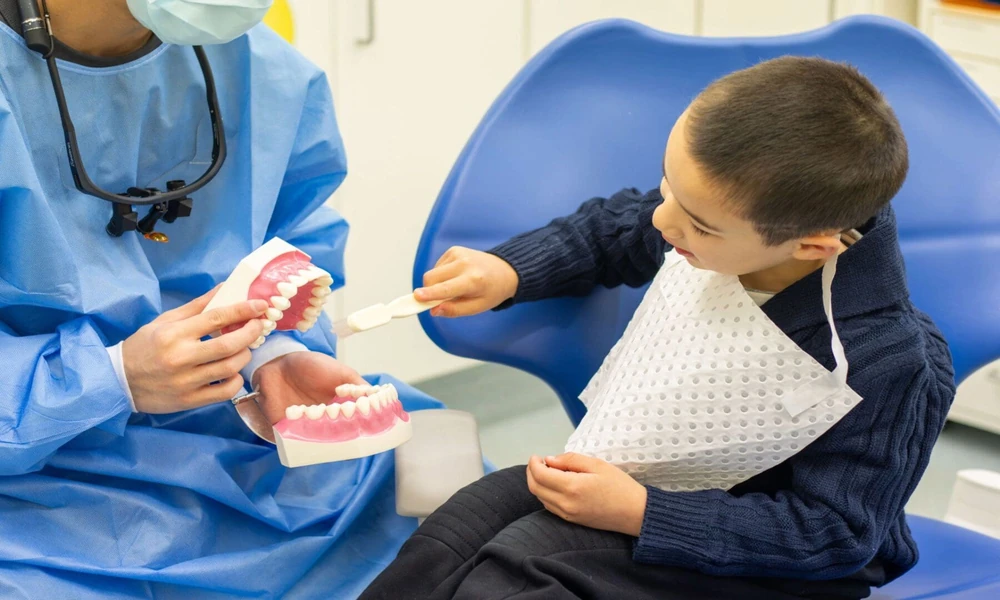
You want a healthy smile that also looks good, and you may be trying to balance that goal for more than one person at once. An Indianapolis family dentist can help address needs across every stage of life. A child needs cavity prevention. A teenager wants straighter, whiter teeth. An adult is thinking about bonding, veneers, or replacing an old filling that shows when they laugh. An older parent may be dealing with worn enamel, gum changes, or missing teeth. It can feel like every age brings a new dental issue, and the cosmetic side often gets pushed aside until something starts to bother you every day.
That is where family care makes a real difference. How Family Dentistry Supports Cosmetic Results Across Generations comes down to one simple idea. Good cosmetic outcomes rarely start with cosmetic treatment alone. They start with steady exams, prevention, bite checks, gum care, and age appropriate planning, all handled in one place by a Family And Cosmetic Dentist who sees the bigger picture.
Family dentistry builds the foundation for better cosmetic results
Most smile concerns do not appear out of nowhere. They build over time. A small cavity becomes a dark filling on a front tooth. Grinding flattens edges and changes the look of the smile. Gum inflammation makes teeth appear uneven or shorter. Missed cleanings allow stain to settle in. You may be focused on color or shape, but the underlying issue is often health first, appearance second.
A family dental practice can catch those patterns early because care is continuous. When a dentist sees you and your family over the years, they notice changes in spacing, bite pressure, enamel wear, and gum health before they become larger cosmetic problems. That matters for children whose oral habits shape future tooth position, for teens with whitening requests before orthodontic care is complete, and for adults who want cosmetic updates without creating new problems later.
The broader evidence supports this connection. The National Institute of Dental and Craniofacial Research outlines how oral health affects function, appearance, comfort, and quality of life across the lifespan in its Oral Health in America report. Cosmetic goals are easier to reach and maintain when decay, gum disease, and tooth loss are addressed early.
Cosmetic dentistry works better when every age gets the right care at the right time
Children usually do not need cosmetic procedures, but they do need habits that protect the look of their future smile. Daily brushing with fluoride toothpaste, smart snack choices, and regular checkups reduce decay that can damage visible teeth. The CDC offers practical oral health tips for children that support both health and appearance.
Teenagers often become more aware of how their smile looks in photos, at school, and online. This is the age when stain, alignment, sports injuries, and inconsistent brushing can affect confidence fast. A family dentist can guide timing, especially if a teen wants whitening before braces are off or bonding before growth is complete. Rushing cosmetic treatment too early can lead to uneven results and extra cost.
Adults often carry the longest list of concerns. Old dental work starts to show. Coffee, tea, and tobacco stains deepen. Stress grinding chips edges and creates sensitivity. You may want a brighter smile, but if gum inflammation or clenching is ignored, the result may not last. The CDC shares oral health tips for adults that line up closely with long term cosmetic maintenance.
Older adults face a different mix of issues. Receding gums, dry mouth from medication, worn restorations, and missing teeth can all change the look of the smile and the shape of the face. Cosmetic treatment at this stage often overlaps with function. Replacing a missing tooth is not only about appearance. It also helps chewing, speech, and bite balance.
Generational dental aesthetics depend on prevention, timing, and maintenance
You can think of cosmetic dentistry as the finish coat, not the frame. Whitening looks better on clean, healthy teeth. Veneers last longer when bite forces are managed. Bonding holds up better when a patient is not constantly chewing ice or grinding at night. This is why multi generational smile care is so useful. It connects prevention and cosmetic planning instead of treating them as separate tracks.
| Age Group | Common Cosmetic Concern | Underlying Issue to Check First | Useful Family Dental Approach |
|---|---|---|---|
| Children | Visible decay or enamel spots | Diet, brushing habits, fluoride exposure | Prevention visits, sealants, home care coaching |
| Teens | Stain, uneven teeth, chipped edges | Orthodontic stage, sports injury risk, hygiene | Bite evaluation, whitening timing, mouthguards |
| Adults | Discoloration, worn teeth, visible old fillings | Grinding, gum health, recurrent decay | Cleanings, night guards, restorative updates |
| Older Adults | Missing teeth, gum recession, worn dental work | Bone support, dry mouth, bite stability | Repair or replacement planning, periodontal care |
Small decisions now protect future cosmetic dental care
Many people spend money twice because the first step happened in the wrong order. Whitening before a cavity is treated can lead to pain. Veneers placed without addressing clenching can chip. Replacing one tooth without looking at the full bite can leave the smile looking off even if the tooth itself is beautiful. A family practice tends to slow that cycle down because treatment planning covers both immediate concerns and what is likely to come next.
This is also where convenience matters more than people admit. When one office can track a child’s growth, a parent’s restorative work, and a grandparent’s denture fit or implant maintenance, details are less likely to fall through the cracks. Cosmetic results usually last longer when follow up is routine instead of occasional.
Three steps you can take right away
1. Look at health issues before appearance goals. If you are thinking about whitening, bonding, veneers, or replacing visible dental work, start with an exam and cleaning. Ask about gum health, bite pressure, old fillings, and enamel wear first.
2. Make a family timeline for dental care. Write down who needs prevention, who wants cosmetic changes, and who has unfinished restorative work. This helps you space out cost, avoid rushed decisions, and plan treatments in the right order.
3. Protect the result at home. Use fluoride toothpaste, keep up with cleanings, wear a night guard if you grind, and ask about sports protection for active kids and teens. Cosmetic treatment lasts longer when daily habits support it.
Family and cosmetic dentistry creates lasting smile results
You do not need to solve every dental concern at once. You just need a plan that makes sense for each stage of life. The best cosmetic results are usually the ones supported by years of steady care, not quick fixes. A trusted family practice can help you protect oral health, improve appearance, and make thoughtful decisions for everyone under your roof.
If you are ready to improve your smile with a clear, age aware plan, schedule a visit with a Family And Cosmetic Dentist.
