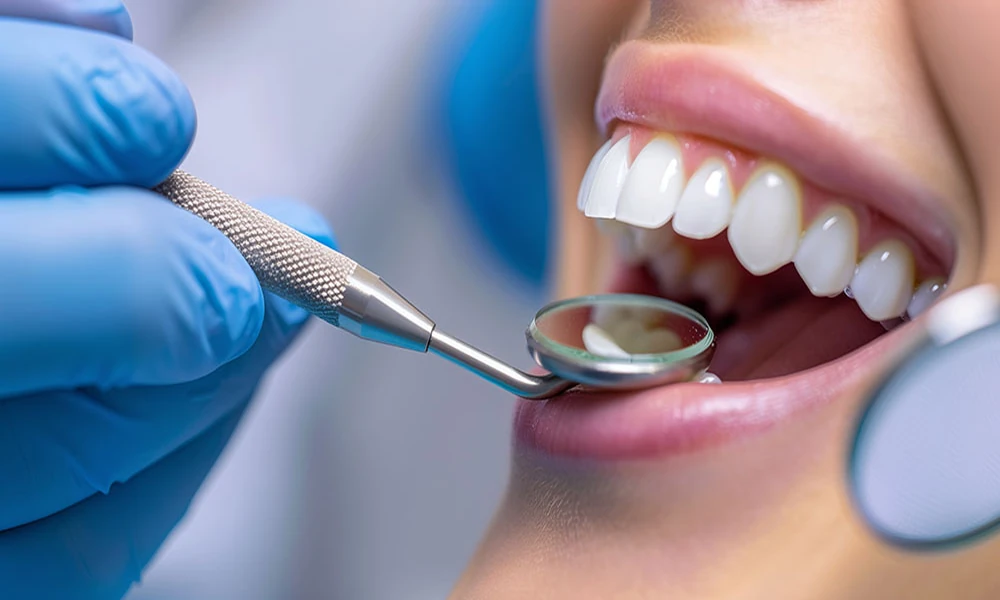
You brush, you remind the kids to brush, you try to keep sugary snacks under control, and still something seems to come up. A sore tooth. Bleeding gums. A child who hates cleanings. A parent in the house who now needs more dental support than they used to. Oral health often slips into the category of things you manage until it suddenly becomes urgent, and that is usually when the stress hits. Having a trusted family dentist North York can make those moments easier to handle before they become overwhelming.
The good news is that most dental problems do not start out as emergencies. They build slowly, often with small signs that are easy to miss when life is busy. That is where family dentistry helps. It gives you one place to track care across different ages, catch issues early, and keep daily habits from turning into costly treatment later.
Family dental care works best when prevention becomes routine
Tooth decay and gum disease are common, but common does not mean harmless. A cavity left alone can become pain, infection, missed school, missed work, and a much larger bill. Gum disease can begin with mild bleeding when you brush and grow into loose teeth or bone loss. According to the CDC’s oral health tips for adults, daily brushing with fluoride toothpaste, cleaning between teeth, avoiding tobacco, and getting regular dental care all lower your risk.
The hard part is consistency. Children may rush through brushing. Teenagers may skip flossing for weeks. Adults often put off appointments because there is no pain yet. Older family members may deal with dry mouth from medication, which raises the risk of decay. Each stage of life has its own weak spots, and those weak spots add up when no one is looking at the full picture.
A family dentist sees those patterns early. That matters more than people realize. If one child has deep grooves in their molars, sealants may prevent cavities before they start. If an adult is grinding their teeth at night, a mouthguard may stop cracks and jaw pain. If a grandparent has receding gums, earlier treatment may keep sensitive roots from decaying. The value is not just treatment. It is timing.
Small symptoms often point to bigger oral health problems
A lot of people wait for clear pain before making an appointment. Teeth do not always work that way. Decay can sit quietly. Gum disease can progress with almost no discomfort. Bad breath that does not go away, sensitivity to cold, gums that look puffy, and a child chewing on one side are all signs worth paying attention to.
You may also be dealing with the emotional side of dental care. Some children get anxious the minute they hear the word dentist. Some adults had rough experiences years ago and still tense up in the chair. That anxiety leads to delay, and delay usually makes treatment more invasive than it needed to be. A steady relationship with a family dentist softens that cycle. Familiar staff, regular visits, and age-appropriate care can make the whole process feel less threatening.
Reliable health information also helps you sort out what is normal and what is not. The NIH oral and dental health resource explains how oral health connects to your general health, including eating, speaking, and comfort. That connection matters because dental issues do not stay neatly inside the mouth. Infections, inflammation, poor nutrition, and disrupted sleep can spread the impact across your day.
Daily home care and family dentistry each have a clear role
Home care does a lot of heavy lifting, but it cannot replace a trained exam and cleaning. Plaque hardens into tartar, and tartar does not brush away. Cavities between teeth can hide until an X-ray catches them. Bite issues, early gum disease, and developing problems in children often need a professional eye.
| Oral Health Task | At Home | With a Family Dentist |
|---|---|---|
| Plaque control | Brush twice a day with fluoride toothpaste and clean between teeth daily | Professional cleanings remove tartar you cannot remove at home |
| Cavity prevention | Limit sugary drinks and snacks, encourage water after meals | Exams, X-rays, fluoride treatments, and sealants catch or prevent decay early |
| Gum health | Watch for bleeding, swelling, or bad breath that lingers | Early gum treatment can stop progression before damage becomes harder to manage |
| Children’s dental habits | Supervise brushing and model routine care | Regular visits help children build comfort and track tooth development |
| Hidden problems | Often missed until symptoms become obvious | Screenings can find cracks, bite issues, and decay before pain starts |
This balance is what makes oral health care with a family dentist practical. You handle the daily habits at home, and the dental office handles the things you cannot see or safely manage on your own.
Simple oral health habits protect every age group
Good habits do not need to be complicated. They need to be repeatable. The MedlinePlus dental health guide covers the basics well, including brushing, flossing, diet, and common dental conditions. Those basics still do most of the work when families stick with them.
Set one routine for the whole household. Morning and bedtime brushing should happen at the same time every day, even if each person’s needs differ. Younger children need help brushing thoroughly. Teens need reminders that energy drinks and frequent snacking can damage enamel. Adults need to stop treating their own care as optional.
Pay attention to patterns, not just pain. If someone avoids cold foods, chews on one side, complains of tenderness, or has gums that bleed often, do not wait for it to get worse. These small shifts are often the earliest warning signs. Tips for maintaining oral health matter most when you act before the problem becomes obvious.
Keep regular dental visits on the calendar. Preventive care is usually easier, less expensive, and less stressful than restorative care. A missed checkup may not seem serious in the moment, but six more months of unchecked plaque, grinding, or early decay can change the treatment plan fast. Family dental services are most effective when they are part of your routine, not your emergency plan.
Steady care makes oral health easier to manage
You do not need perfect habits to improve your family’s dental health. You need a system that catches problems early and supports better routines over time. That is what family dentistry does well. It brings prevention, monitoring, and treatment into one place, which makes it easier to stay on track when life gets crowded.
If dental care has felt easy to postpone, you are not alone. The next step is simple. Schedule preventive care, ask about the habits or symptoms you have noticed, and build from there. Small changes now can spare your family pain, stress, and larger treatment later.
