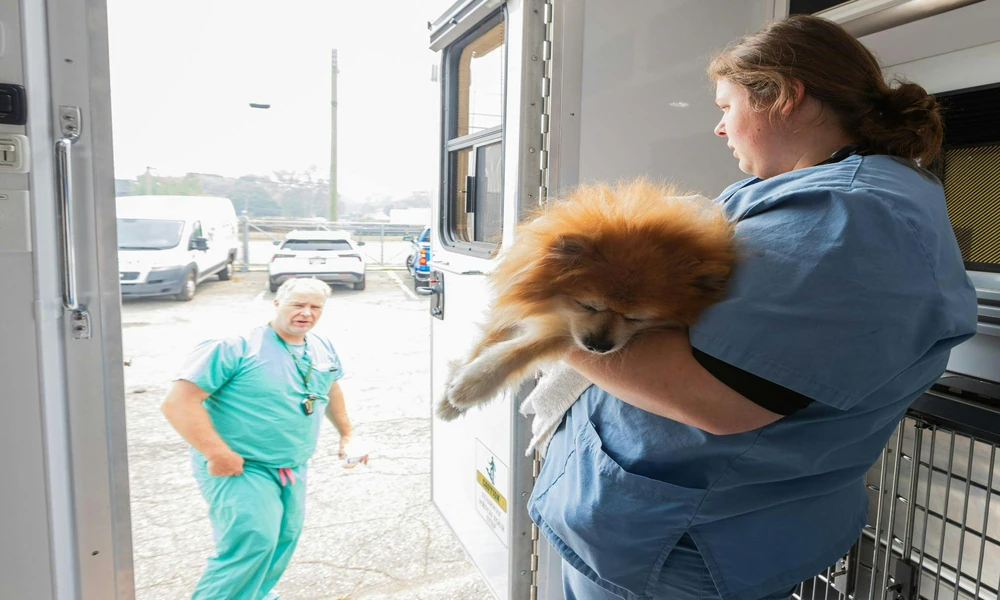
If you live in a rural community, you already know how quickly a simple animal health problem turns into a long day. A limping horse may need care before sunrise. A sick calf cannot wait until you have time to haul it across county lines. Even a routine visit for a dog or cat can mean lost work hours, fuel costs, stress on the animal, and a drive that feels much longer when you are worried. For some pet owners searching for a mobile vet in Annapolis, MD, the convenience of at-home care can make all the difference.
That strain is a big reason mobile veterinary services in rural areas are growing. The need is practical and immediate. Many rural communities have too few veterinary clinics, too many miles between farms and towns, and a mix of livestock and companion animal needs that do not fit neatly into a standard office model. A mobile veterinarian helps close that gap by bringing care where it is needed, often faster and with less disruption.
Rural Veterinary Access Has Been Under Pressure for Years
The expansion of mobile vet care did not happen by accident. Rural counties across the country have dealt with veterinary shortages for years. The problem affects animal health, farm operations, and local food systems. The USDA has tracked broader rural challenges, including population shifts, labor pressures, and service access, in its rural America at a glance report. Veterinary care sits inside that larger picture. When services are spread thin, every appointment becomes harder to schedule and every emergency carries more risk.
For livestock owners, delayed care can mean production loss, breeding setbacks, preventable illness, and higher treatment costs. For pet owners, it often means putting off checkups because the trip itself is so difficult. You may be doing the math in your head every time an animal needs attention. Can you leave work. Can the animal travel safely. Can you afford the fuel, trailer time, and half day away from everything else that still needs doing.
That is where a mobile veterinarian changes the equation. Instead of asking the owner to absorb all the friction, the service moves toward the animal. In rural settings, that is not a luxury. It is often the most workable model.
Mobile Veterinarian Services Fit the Reality of Rural Life
Rural animal care is rarely one size fits all. A family may have two dogs, a barn cat, a few goats, and cattle on pasture. A ranch may need herd health checks, vaccination support, pregnancy testing, or emergency treatment in the field. Transporting every animal to a clinic is not always realistic, and for some species it creates added safety issues.
Rural mobile vet services reduce that burden. Animals stay in familiar surroundings, which often lowers stress and makes handling easier. Owners can show the veterinarian the exact environment where a problem started, whether that is a muddy lot, a feed setup, a calving area, or a fenced pasture. That context matters. It can reveal causes a clinic visit might miss.
There is also a financial side that often gets overlooked. A farm call has a fee, yes, but hauling animals can cost more than people expect once fuel, labor, equipment use, and time away from the operation are counted. For households with elderly pets or animals that do poorly in transport, in home care may also prevent complications tied to travel stress.
Veterinary Shortages Are Driving New Support for Rural Care
The growth of mobile practice is also tied to workforce reality. Some rural regions simply do not have enough veterinarians. The federal government has recognized that shortage through programs aimed at attracting and keeping vets in underserved areas. The Veterinary Medicine Loan Repayment Program map shows where these shortage situations exist, and the pattern is clear. Large rural areas need more veterinary support than they currently have.
Funding is also helping practices build new ways to serve those communities. The USDA’s National Institute of Food and Agriculture has announced that $3.8 million in Veterinary Services Grant Program funding is being invested to improve rural veterinary capacity. Mobile practice is a natural fit for that goal because it stretches access across a wider service area without requiring every community to support a full brick and mortar clinic.
This matters because shortages do not just affect emergencies. They affect preventive care. When regular visits are easier to schedule, animals get seen earlier, health issues are caught sooner, and owners are less likely to wait until a problem becomes expensive or severe.
Mobile Vet Care Solves Different Problems Than a Traditional Clinic
A traditional clinic still has a clear role. Surgery, advanced imaging, and cases needing hospitalization usually require a facility. Mobile care is not replacing that. It is filling the space between no care and full clinic care. In many rural areas, that middle space is exactly what has been missing.
| Care Factor | Mobile Veterinarian | Traditional Clinic Visit |
|---|---|---|
| Travel burden | Low for owner and animal | High in spread out rural areas |
| Animal stress | Often lower in familiar surroundings | Often higher during transport and waiting |
| Farm and herd context | Direct view of housing, feed, pasture, and handling setup | Limited environmental context |
| Emergency response practicality | Useful for on site triage and field treatment | May require difficult transport first |
| Advanced procedures | Limited by vehicle equipment and setting | Better suited for surgery and hospitalization |
The strongest rural systems often combine both models. A mobile veterinarian handles field visits, preventive care, herd checks, wellness exams, and some urgent needs. A clinic supports surgery, diagnostics, and cases needing more intensive treatment. That partnership gives owners a practical path instead of an all or nothing choice.
Three Steps You Can Take Right Away
Map out your actual animal care gaps. List the situations that create the most strain, such as vaccine visits, lameness checks, herd health work, senior pet exams, or after hours emergencies. You will see quickly whether travel, scheduling, or species mix is the real obstacle.
Ask what can be handled on site. Many owners assume mobile care is only for emergencies or farm animals. In reality, mobile services often cover wellness exams, diagnostics, preventive care, end of life support, and follow up treatment. Knowing what can happen at your property helps you plan better and avoid last minute scrambling.
Build a relationship before there is a crisis. The hardest time to search for care is when an animal is already in trouble. If mobile veterinary care is available in your area, establish contact early, ask about service range, species treated, scheduling, and referral options for cases that need clinic based care.
Rural Animal Care Is Becoming More Flexible for a Reason
The rise of mobile veterinary services is a direct response to real pressure in rural life. Long distances, workforce shortages, mixed animal needs, and the cost of delayed treatment all push care toward a model that meets owners where they are. That shift makes sense. It respects your time, reduces stress on animals, and helps rural communities hold onto access that might otherwise keep shrinking.
If mobile veterinary care is available near you, it is worth exploring before the next urgent situation lands in your lap. A little planning now can spare you a much harder decision later.
