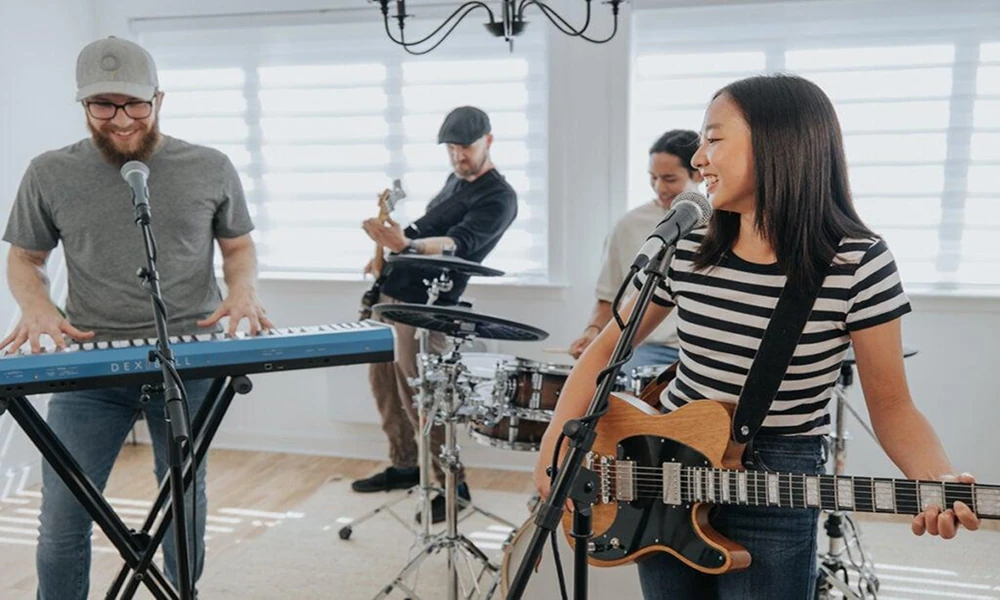
Natural talent can help someone discover a passion for music, but developing that passion into professional skills requires more than practicing an instrument or writing songs independently.
Aspiring musicians face important decisions about how to improve their abilities, gain practical experience, and prepare for opportunities in the music industry. While some pursue self-directed learning, others explore structured music education to develop their technique, creativity, and professional confidence.
Choosing the right educational environment involves more than comparing school reputations or course descriptions. Students should understand how different programs support their artistic interests, learning preferences, and long-term goals.
Look Beyond Technical Skills and Musical Talent
Technical ability is an important part of musicianship, but professional development involves a broader range of skills.
A guitarist might play complicated solos confidently yet struggle when collaborating with unfamiliar musicians. Similarly, a songwriter may develop original compositions but lack experience arranging songs for recording or live performance.
Effective music education should help students connect their individual abilities with practical applications.
When exploring programs, consider whether the curriculum includes opportunities to develop:
- Musical versatility: Understanding different genres, arrangements, and performance approaches.
- Collaboration: Working productively with musicians who bring different skills and creative perspectives.
- Creative independence: Developing original ideas while accepting constructive feedback.
- Professional communication: Discussing musical expectations, rehearsals, deadlines, and project responsibilities.
- Adaptability: Adjusting to unfamiliar musical settings, production methods, and performance requirements.
These abilities can support several career directions, from live performance to studio recording and independent music production.
Students should evaluate how a program helps them apply what they learn rather than focusing exclusively on the subjects listed in its curriculum.
How to Evaluate Music Schools Beyond Reputation
A school’s reputation may influence an initial impression, but it should not be the deciding factor when choosing a music education program.
Students benefit from comparing institutions according to their individual interests, preferred learning styles, and professional objectives.
For example, someone researching the best music schools in Los Angeles should examine contemporary music programs, available areas of study, hands-on learning opportunities, and educational pathways instead of treating any single ranking as definitive.
Several practical questions can help narrow the options.
Does the curriculum support your musical direction?
A student interested in audio production may need a different educational experience from someone pursuing vocal performance. Review individual courses and their learning objectives to determine whether the program addresses relevant skills.
Are there opportunities for practical experience?
Performance workshops, collaborative projects, recording exercises, and supervised creative assignments can help students translate theoretical knowledge into usable skills.
How is student progress evaluated?
Consistent, constructive feedback can identify weaknesses that may be difficult to recognize through independent practice alone.
Does the learning environment encourage collaboration?
Working alongside other musicians creates opportunities to practice communication, flexibility, and shared problem-solving.
Are the financial and time commitments realistic?
Tuition, equipment expenses, transportation, housing, and course schedules should all be considered before committing to a program.
Comparing these factors helps students make decisions based on educational fit rather than promotional claims.
Understand the Value of Practical Music Training
Music education becomes more meaningful when students can apply new knowledge in realistic situations.
Consider the difference between learning the principles of rhythm and performing with an ensemble. Understanding rhythm intellectually is valuable, but playing alongside other musicians requires listening, timing, responsiveness, and adjustment.
The same principle applies to music production.
A student may understand the functions of recording software yet find it challenging to manage a complete recording session. Practical assignments introduce additional considerations, including preparation, communication, organization, and creative decision-making.
When evaluating educational opportunities, students should look for activities that encourage active participation.
These might include ensemble rehearsals, collaborative songwriting sessions, recording projects, performance assessments, or portfolio development.
The goal is not simply to complete assignments. It is to build the ability to approach unfamiliar challenges independently.
Practical learning can also help students recognize their strengths and identify areas that require further attention.
Consider Instructors, Feedback, and Creative Connections
A supportive learning environment can influence how students approach artistic development.
Experienced instructors may help learners understand technical concepts, refine performance habits, and evaluate creative decisions. However, professional experience alone does not guarantee effective teaching.
Prospective students should consider how instructors communicate, provide feedback, and adapt their guidance to different skill levels.
Before choosing a program, explore whether students have access to individual instruction, constructive assessments, and opportunities to ask questions.
Peer interaction deserves similar attention.
Musicians often develop new perspectives by collaborating with people who approach music differently. A vocalist working with a producer, for example, may gain a better understanding of arrangement, recording, and artistic interpretation.
These experiences can encourage greater flexibility and help students appreciate the responsibilities involved in collaborative work.
However, educational connections should be viewed as learning opportunities rather than guarantees of employment or industry success.
Match Your Education to Your Long-Term Goals
Not every aspiring musician needs the same educational pathway.
Someone hoping to become a performing artist may prioritize instrumental development, stage confidence, and ensemble experience. A future recording engineer might concentrate on production workflows, critical listening, and technical problem-solving.
Students interested in independent music careers may need a combination of creative, organizational, and business skills.
Before selecting a program, identify a few specific goals.
For example, a student might want to record a professional-quality demo, become more confident performing with other musicians, or build a portfolio of original compositions.
These objectives provide a useful framework for comparing learning opportunities.
It is also important to consider whether a full degree, shorter certificate, individual lessons, or self-directed study best suits the student’s circumstances.
A strong educational decision should reflect personal priorities, available resources, and realistic expectations.
Conclusion
Choosing a music education program is a personal decision that deserves careful research.
Rather than focusing entirely on reputation, aspiring musicians should examine curriculum quality, practical learning opportunities, instructor feedback, collaboration, affordability, and alignment with their goals.
The most suitable learning environment is one that helps students recognize their strengths, address weaknesses, and develop skills they can continue using beyond the classroom.
By approaching music education with clear objectives and thoughtful questions, aspiring musicians can make informed choices that support meaningful artistic and professional growth.
